.png)
The Pembroke Herring History
- Mathilda Burke
- 2 days ago
- 2 min read

Centuries before the Town of Pembroke was incorporated, Namassakeesett – the Native American name for the region, meaning “place of much fish” – was known for its herring.
As far back as 1616, the seasonal herring runs sustained Indigenous communities and later fed early Colonial settlers. Colonial records cite herring as a vital food source for New England’s first inhabitants.
The species that spawns in Pembroke’s ponds is the alewife, a river herring. Protection of the fish dates back centuries. The first fishery law on record in the colony, the Plymouth Colony Fish Law, was enacted in 1623 to safeguard alewives.
Attention to the herring run was evident, and at one of Pembroke’s earliest town meetings in 1717 residents hired men to work with neighboring Native Americans to clear Herring Brook and to prosecute any obstructions.
Originally, local fisheries were free to the public, but by 1741 fishing required payment of one shilling for 100 fish, marking a shift toward regulated harvests. Since then, fishery legislation has expanded significantly.
Herring populations have historically been cyclical, but long-term data show an overall decline. Since the early 1900s, Pembroke has appointed a superintendent to oversee the annual herring run. In 1998, amid growing concerns that alewives had nearly disappeared from local waters, the town formed the Pembroke Herring Fisheries Commission. Working with the Massachusetts Division of Marine Fisheries, the commission focused on restoring the population by maintaining waterways and transplanting spawning adults to local ponds in an effort to rebuild a self-sustaining run.



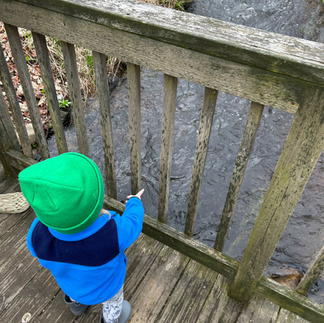


Photos taken in April 2024. Courtesy of Pembroke resident, Katrina Delaney.
For many years, the town’s Annual Fish Fry in early May relied on herring purchased elsewhere due to the scarcity of local fish. Harvesting herring from Pembroke waterways remains unlawful, but restoration efforts have shown promising results. Surplus fish from Pembroke have even helped restock struggling rivers elsewhere in Massachusetts.
Town, state and federal officials have now approved a program that would once again allow limited, lawful harvesting of herring — something not seen locally in generations. Details, including the number of permits, catch limits and potential fees, are still being finalized. As regulations evolve, the current Herring Superintendent’s role may be expanded to that of a warden to oversee enforcement.


Comments